
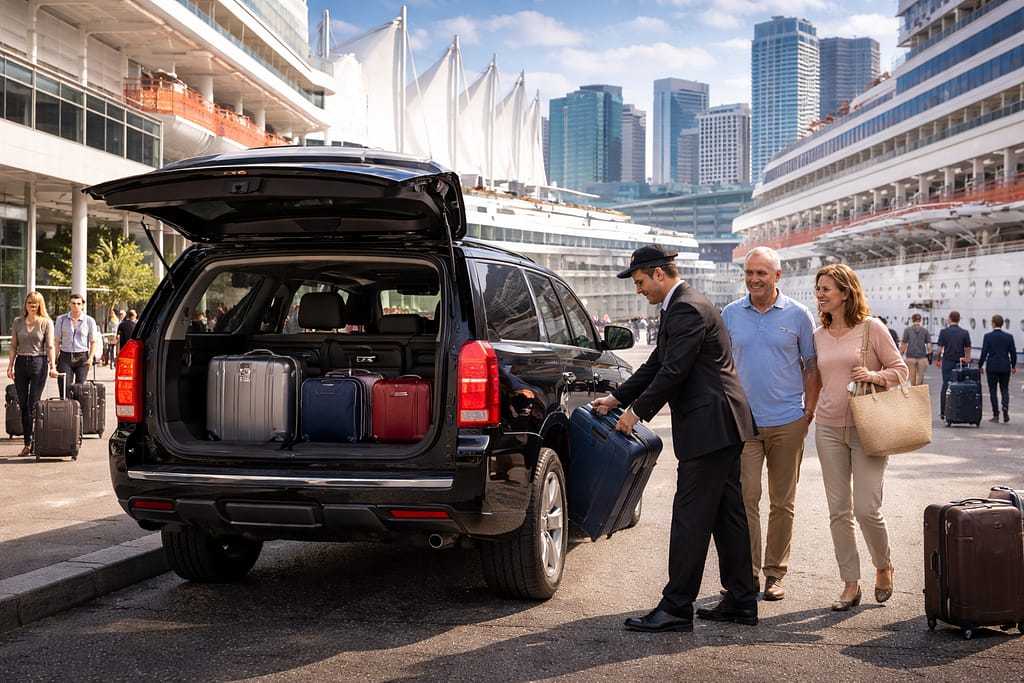
Vancouver is one of North America’s most active cruise homeports, welcoming hundreds of thousands of passengers each year through its downtown terminals. While cruise itineraries are planned months in advance, ground transportation before embarkation and after disembarkation is often treated as an afterthought. From an industry perspective, this is one of the most common sources of avoidable stress for cruise travelers.
Planning pre and post cruise transportation in advance supports smoother transitions between airports hotels cruise terminals and regional destinations. This article explains why advance transportation planning is operationally important in Vancouver and how it contributes to a more predictable and organized cruise travel experience.
Understanding Cruise Transportation Logistics in Vancouver
Cruise travel in Vancouver operates within a highly compressed geographic and time sensitive environment. Canada Place Cruise Terminal is located in the downtown core adjacent to major hotels business districts and arterial roadways. During peak cruise season multiple ships may arrive or depart on the same day creating congestion across surrounding streets.
From a transportation services standpoint cruise days function differently from standard travel days. Traffic volumes increase sharply during embarkation and disembarkation windows and curbside access becomes more controlled. Planning transportation ahead of time allows these variables to be managed rather than reacted to.
Why Advance Planning Matters Before Embarkation
Airport Arrival Coordination From YVR
Most cruise passengers arriving in Vancouver travel through Vancouver International Airport. While the airport is well connected to downtown cruise terminals travel times can fluctuate based on traffic cruise schedules and weather conditions.
Advance transportation planning allows for:
- Alignment with flight arrival times
- Route selection based on cruise day traffic patterns
- Adequate buffer time before ship boarding windows
This reduces the risk of late arrivals and minimizes the stress associated with navigating unfamiliar road networks or terminal access points.
Hotel to Cruise Terminal Transfers
Many travelers stay overnight in Vancouver prior to embarkation. On cruise mornings hotels near the waterfront experience simultaneous departure requests which can strain on demand transportation options.
Pre scheduled transportation supports:
- Coordinated pickup times that match ship boarding schedules
- Predictable luggage handling
- Direct routing to designated cruise terminal drop off zones
This structure helps ensure a smooth transition from hotel to ship without last minute delays.
Post Cruise Transportation Challenges and Planning Benefits
High Volume Disembarkation Periods
When cruise ships return to Vancouver thousands of passengers disembark within a short time frame. Ground transportation demand peaks sharply during these windows especially for airport transfers and regional travel.
Advance planning addresses these conditions by:
- Securing transportation capacity during peak demand
- Reducing wait times at terminals
- Providing clear pickup coordination after customs clearance
This is particularly important for travelers with same day flights or long distance ground transfers.
Managing Customs Clearance Variability
Disembarkation timing can vary based on customs processing and ship clearance procedures. Pre arranged transportation providers monitor these conditions and adjust pickup timing accordingly.
From an operational perspective this flexibility reduces missed connections and eliminates the need for travelers to make real time transportation decisions immediately after leaving the ship.
Vehicle Selection and Luggage Considerations
Cruise travel often involves significant luggage volumes including large suitcases garment bags and carry on items. Full size SUVs such as the GMC Yukon Denali are commonly used for cruise transportation due to their cargo capacity and passenger comfort.
Proper vehicle selection supports:
- Secure luggage accommodation without overcrowding
- Comfortable seating after long travel days
- Stable ride quality across urban and highway routes
Planning transportation in advance ensures the appropriate vehicle type is assigned based on group size and luggage requirements.
Regional and Long Distance Travel After Cruises
Many cruise passengers continue their journeys beyond Vancouver following disembarkation. Common destinations include Whistler Vancouver Island Seattle and interior British Columbia.
Advance planning is particularly valuable for these itineraries because it allows for:
- Coordinated departure timing from the cruise terminal
- Route planning based on regional traffic and border conditions
- Seamless transitions from ship to long distance ground travel
This level of coordination is difficult to achieve without pre arranged transportation.
Vancouver Specific Factors That Influence Cruise Transportation
Urban Core Traffic Patterns
Downtown Vancouver experiences fluctuating traffic conditions influenced by cruise schedules commuter patterns and special events. Cruise days intensify these effects particularly near Canada Place and waterfront corridors.
Transportation providers familiar with local conditions can anticipate congestion and adjust routing to maintain predictable arrival times.
Seasonal Demand and Capacity Constraints
Cruise season in Vancouver overlaps with peak tourism months. Transportation availability can become limited during high demand periods making last minute arrangements less reliable.
Planning ahead secures transportation capacity during these peak windows and reduces dependence on availability based services.
Why Planning Ahead Supports a Smoother Cruise Experience
From a transportation industry perspective pre and post cruise travel should be treated as an extension of the cruise itinerary rather than a separate consideration. Advance planning reduces uncertainty supports schedule integrity and improves the overall travel flow.
For travelers embarking or disembarking in Vancouver organized ground transportation contributes to a calmer start and finish to the cruise experience. By addressing logistics proactively travelers can focus on the journey itself rather than the operational details surrounding it.