
Traveling from Vancouver International Airport to Whistler is not a standard airport transfer. The journey covers a significant distance, transitions from urban infrastructure to mountain highways, and involves changing weather, elevation, and road conditions. For many travelers, this route represents the first and last impression of their trip, making transportation choice an important part of the overall experience.
From a transportation industry perspective, this route requires a higher level of planning, vehicle capability, and driver expertise than short city transfers.
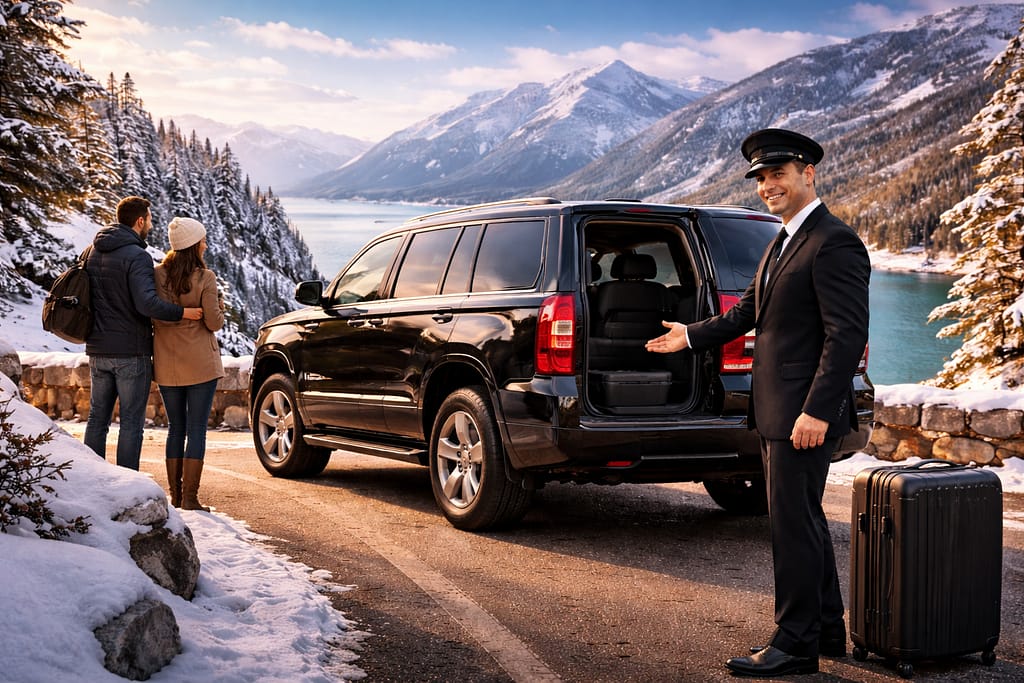
Industry View on Long Distance Airport Transfers
Long distance airport transfers occupy a specialized segment within professional transportation services. Unlike urban point to point travel, these routes demand vehicles built for sustained highway driving, drivers trained in variable terrain, and scheduling that accounts for weather and seasonal congestion.
The YVR to Whistler corridor is a clear example of where transportation decisions directly affect comfort, safety, and travel reliability.
Distance Terrain and Route Complexity
The Sea to Sky Highway Environment
The Sea to Sky Highway connects Vancouver with Whistler through a mix of coastal stretches, mountain passes, and elevated roadways. While scenic, it also presents challenges including sharp curves, elevation changes, and fluctuating traffic volumes, especially during weekends and peak travel seasons.
Private transfers are designed to manage these conditions through experienced drivers familiar with the route and vehicles selected for stability and performance.
Weather and Seasonal Variability
Weather conditions along the route can change rapidly, particularly during winter months. Rain in Vancouver can quickly turn into snow or ice at higher elevations near Whistler. These transitions require drivers who understand mountain driving and vehicles equipped to handle changing road conditions.
From an operational standpoint, private transfers account for these variables when planning departure times and route pacing.
Comfort and Travel Experience Over Extended Distances
Interior Space and Ride Quality
The drive from YVR to Whistler typically takes several hours depending on traffic and conditions. Full size SUVs such as the GMC Yukon Denali are commonly used for this route because they offer a smooth ride, generous seating, and ample cargo space for luggage, ski equipment, or outdoor gear.
Comfort becomes increasingly important as travel time increases, particularly for families, groups, or travelers arriving after long flights.
Reducing Travel Fatigue
Managing unfamiliar roads, mountain driving, and navigation after air travel can contribute to fatigue. Private transfers shift these responsibilities entirely to the driver, allowing passengers to relax, enjoy the scenery, or rest before arrival.
From an industry efficiency perspective, reducing physical and mental strain during transit improves the overall travel outcome.
Timing Reliability and Scheduling Control
Coordinating with Flight Arrivals
Flight arrival times can vary due to delays, early landings, or weather disruptions. Private transfers are scheduled around confirmed reservations and monitored arrival times, allowing adjustments without compromising the journey.
This level of coordination is particularly valuable for Whistler transfers, where late departures can mean navigating mountain roads in darker or more challenging conditions.
Avoiding Transfer Dependencies
Public or shared transportation options often rely on fixed departure schedules or multiple passenger pickups. These dependencies can introduce waiting periods and extended travel times.
Private transfers operate on direct routing principles, moving passengers from airport to destination without intermediate stops, which supports more predictable arrival times.
Safety and Risk Management Considerations
Professional Driver Experience
Drivers assigned to long distance and mountain routes are trained in defensive driving and situational awareness. Familiarity with the Sea to Sky corridor allows them to anticipate congestion points, weather changes, and road hazards.
This experience plays a critical role in maintaining safety throughout the journey.
Vehicle Preparedness
Private transfer vehicles are maintained on structured inspection schedules and selected for performance in varying conditions. Tire quality, braking systems, and overall vehicle stability are especially important on mountain highways.
From an industry standpoint, vehicle preparedness directly supports risk reduction on longer routes.
Travel Patterns Between Vancouver International Airport and Whistler
Tourism and Seasonal Demand
Whistler attracts travelers year round for skiing, mountain biking, conferences, and leisure travel. Peak seasons bring increased traffic volumes along the Sea to Sky Highway, affecting travel times and route flow.
Private transfers are structured to account for these fluctuations through flexible scheduling and route management.
Luggage and Equipment Considerations
Many travelers heading to Whistler carry specialized gear such as skis, snowboards, or outdoor equipment. Managing this cargo on shared or public transportation can be challenging.
Private transfers accommodate equipment securely within the vehicle, supporting both passenger comfort and equipment protection.
Transportation Industry Perspective on Value
From an industry standpoint, a private transfer between YVR and Whistler becomes particularly worthwhile when travel involves extended distance, variable weather, luggage volume, or tight scheduling. These factors elevate the importance of reliability, comfort, and professional oversight.
For travelers navigating one of British Columbia’s most scenic yet demanding routes, private transfers align closely with the practical realities of long distance airport travel, offering a controlled and dependable transportation experience from arrival to destination.