
Cruise ship transportation presents logistical challenges that differ significantly from standard airport or city transfers. In Vancouver, where cruise terminals handle high passenger volumes within narrow embarkation and disembarkation windows, transportation planning becomes a critical component of the travel experience. For families and groups, private car services provide a level of coordination, comfort, and reliability that shared or on demand transportation models are not designed to deliver.
This article explores why private car services are particularly well suited for cruise ship transfers involving multiple passengers, varied luggage needs, and time sensitive schedules.
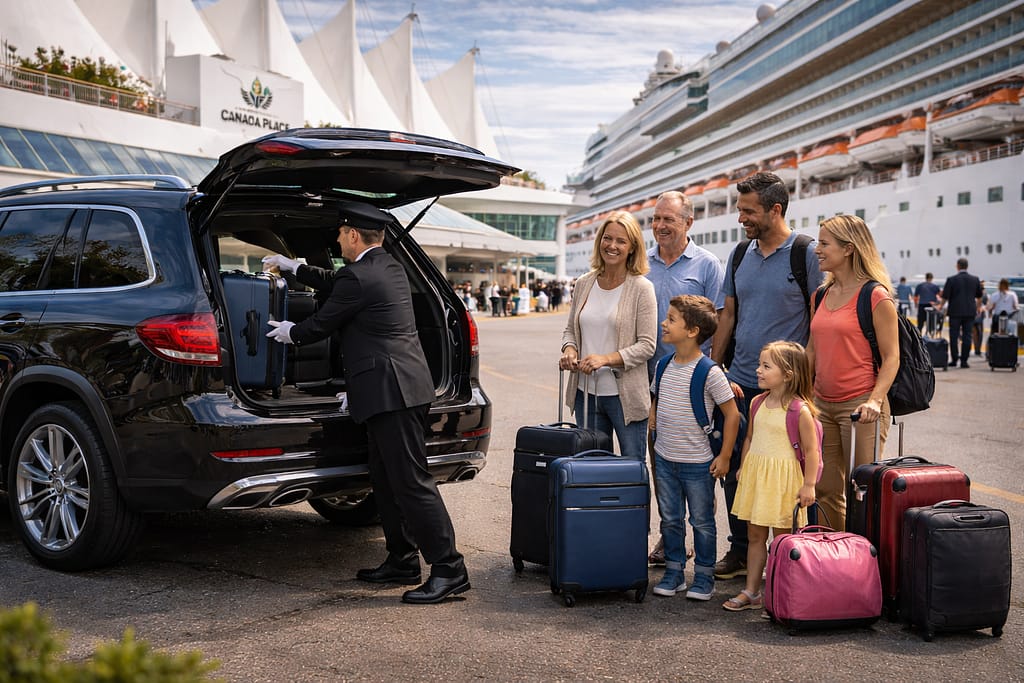
Cruise Transportation Planning From an Industry Perspective
From a transportation services standpoint, cruise ship transfers are categorized as high density, high consequence movements. Delays, missed connections, or fragmented transportation can disrupt an entire travel itinerary. Unlike airport arrivals, cruise ship schedules are fixed and non negotiable. Ships depart on time, regardless of individual passenger circumstances.
Professional transportation providers approach cruise transfers with advance planning, vehicle allocation, and coordination protocols designed to support groups rather than individual travelers.
The Unique Challenges of Family and Group Cruise Transfers
Coordinated Arrival Timing
Families and groups must arrive together, often with shared documentation, boarding times, and check in procedures. Private car services ensure unified pickup and drop off, eliminating the risk of staggered arrivals that can occur when multiple vehicles are used.
From an operational standpoint, single vehicle coordination reduces variability and simplifies timing management.
Luggage Volume and Handling Requirements
Cruise travel typically involves more luggage than standard trips. Families often travel with multiple suitcases per passenger, along with carry ons, strollers, or specialty items. Vehicles used in private cruise transfers are selected based on cargo capacity and interior space rather than passenger count alone.
This planning reduces last minute complications related to insufficient storage or vehicle reassignment.
Passenger Comfort Across Age Groups
Group travel frequently includes children, seniors, or passengers with mobility considerations. Private vehicles offer controlled boarding environments, climate stability, and seating configurations that support comfort across a wide range of passenger needs.
These factors become increasingly important during early morning embarkations or post cruise disembarkations following long voyages.
Why Private Cars Outperform Shared Transportation Models
Dedicated Service Without Route Diversions
Private car services operate on direct routes between pickup locations and cruise terminals. Shared transportation models often involve multiple stops, passenger delays, and unpredictable routing that can compromise arrival timing.
From an industry reliability perspective, eliminating route diversions significantly reduces schedule risk.
Simplified Group Management
Managing a group across multiple vehicles introduces coordination challenges, especially in busy terminal environments. Private car services consolidate passengers into a single managed transfer, reducing confusion during loading, unloading, and terminal access.
This consolidation is particularly valuable at Vancouver cruise terminals during peak sailing days.
Vehicle Selection for Group Cruise Transfers
Capacity and Interior Configuration
Professional transportation providers match vehicle type to group size and luggage requirements. Full size SUVs and professional vans are commonly used for cruise transfers due to their balance of seating capacity, cargo space, and ride comfort.
This vehicle matching process is handled during reservation planning rather than at curbside pickup.
Accessibility and Entry Ease
Families and multi generational groups benefit from vehicles with easy entry points and stable ride characteristics. These features support smoother transitions during loading and unloading, especially when managing children or assisting older passengers.
Operational Oversight and Timing Control
Pre Scheduled Dispatch and Monitoring
Cruise ship transfers are executed on fixed schedules aligned with ship boarding and disembarkation windows. Private car services rely on advance reservations and dispatch oversight to ensure vehicles arrive early and remain available through the loading process.
This structure reduces the likelihood of missed sailings caused by transportation delays.
Real Time Coordination With Terminal Conditions
Cruise terminals can experience congestion due to simultaneous embarkations or port security procedures. Professional transportation operators monitor terminal conditions and adjust arrival timing or access routes as needed.
This level of situational awareness is difficult to replicate without centralized dispatch support.
Vancouver Cruise Terminal Considerations
Canada Place and Passenger Volume
Canada Place serves as a primary cruise terminal in Vancouver and regularly processes thousands of passengers within short timeframes. Group transportation planning must account for traffic flow, staging areas, and security checkpoints.
Private car services are structured to navigate these constraints efficiently while maintaining group integrity.
Pre and Post Cruise Travel Patterns
Many cruise passengers combine their voyage with airport travel, hotel stays, or sightseeing. Private transportation supports seamless transitions between these segments without requiring passengers to reorganize logistics at each stage.
Why Private Car Services Align With Group Travel Best Practices
From a transportation industry perspective, private car services provide the structure, capacity, and oversight required for family and group cruise transfers. These services prioritize coordination, timing control, and passenger comfort rather than maximizing vehicle utilization.
In Vancouver’s busy cruise environment, private cars reduce complexity and support predictable outcomes for travelers managing multiple passengers and luggage demands. For families and groups, this approach aligns transportation planning with the realities of cruise travel rather than relying on fragmented or availability based solutions.